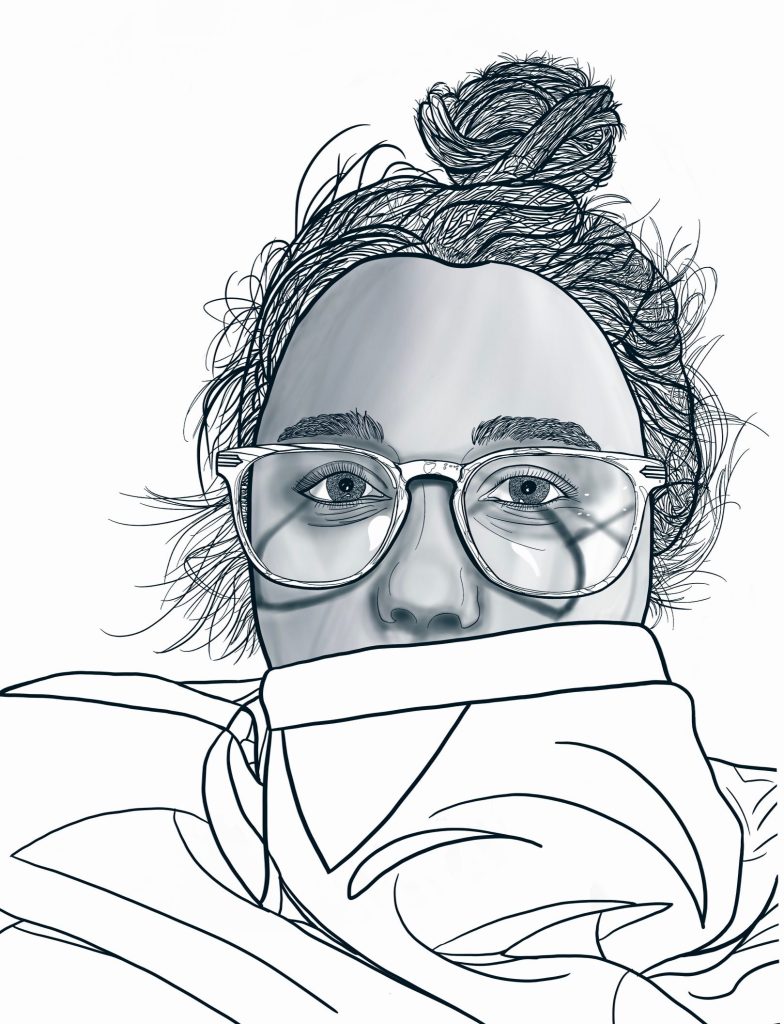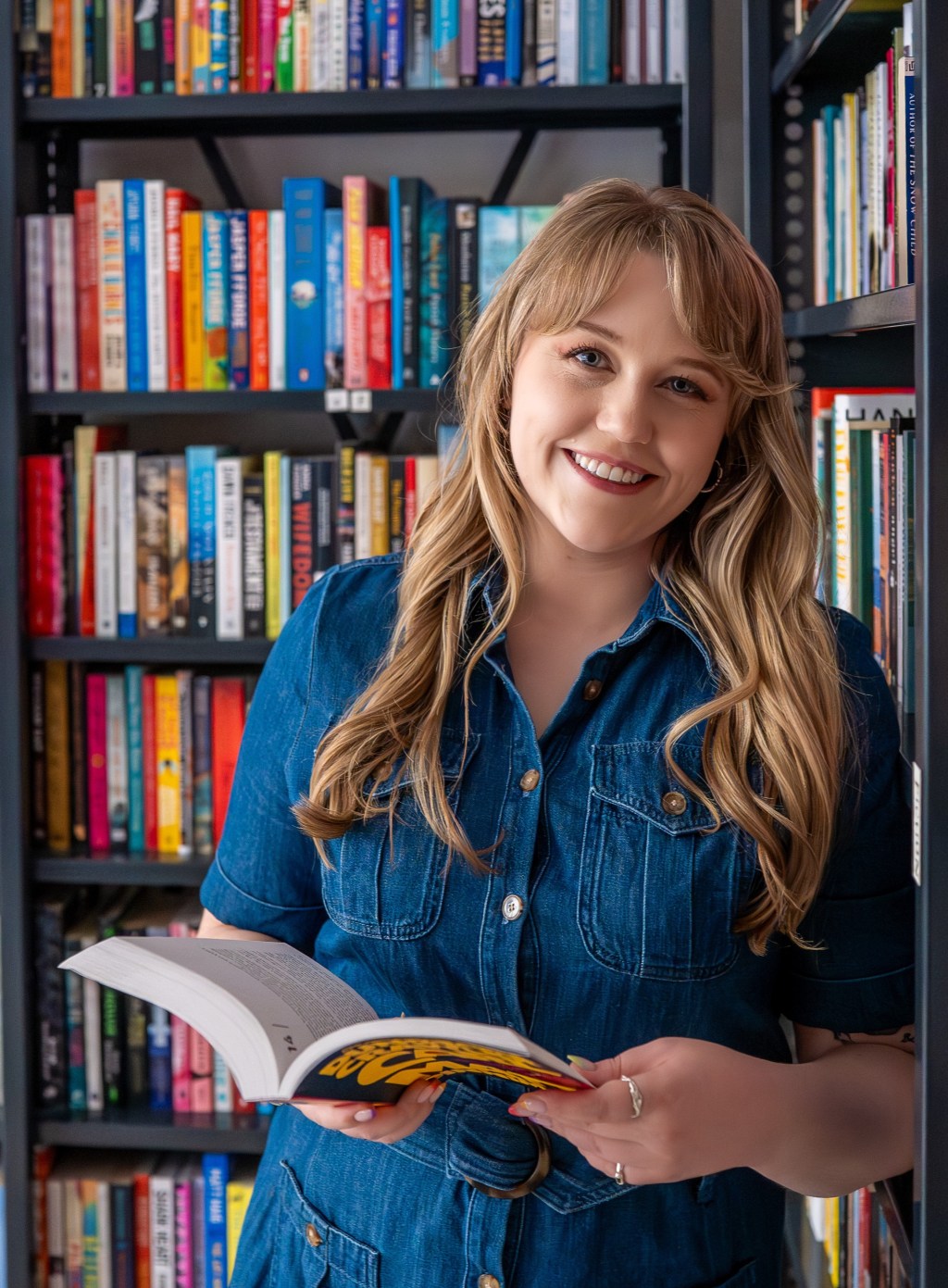
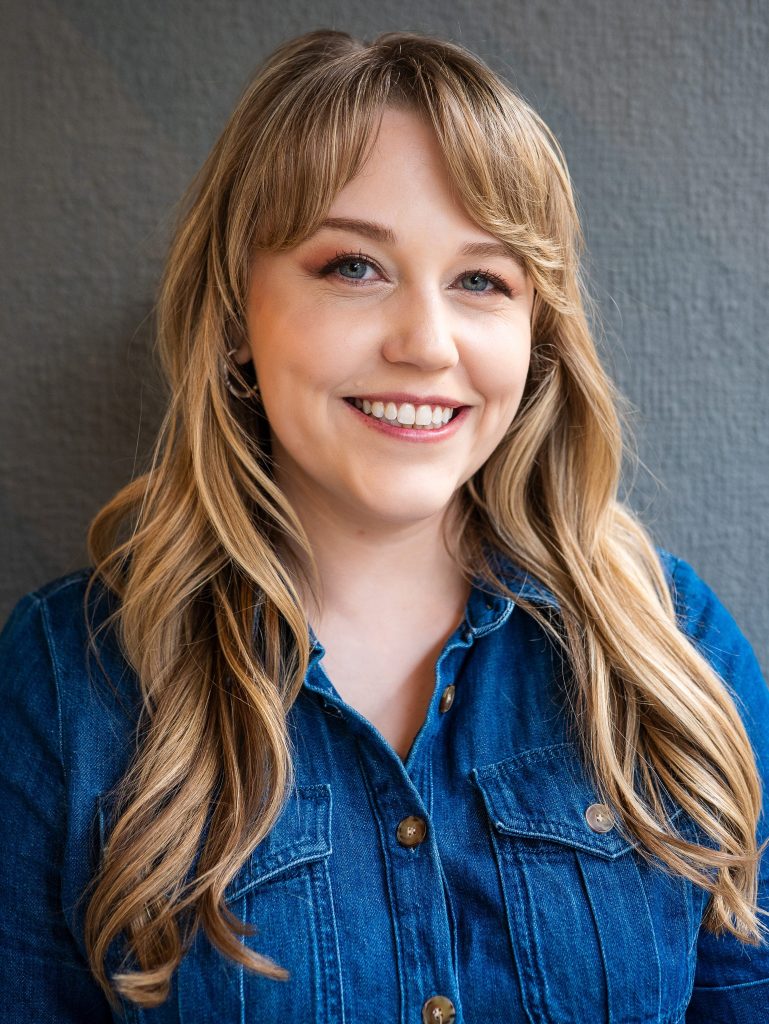
I’m an American, of the Midwest variety, living in Zurich, Switzerland, with two spoiled cats and an ever-growing library. I write upmarket fiction blending lyrical prose, magical realism, and touches of humor. I’m addicted to weaving in mythological and philosophical elements whenever possible. I fall in love with my characters, no matter how deplorable, and challenge readers to do the same.
Instagram: @jjsilkwood
Winner of NYC Midnight Flash Fiction Contest (2026)
Winner of the Elegant Literature New Writer’s Award (May 2026)
(My recent novel’s working title, not me! Currently in its first beta-reading phase, ~85,000 words, with goals of traditional publication.)
In this upmarket suspense novel, a swirling ensemble narrative explores the seductive, dangerous promise of the words I’ll love you, forever. Humor pops through the pages as mounting tension—and mystery—keep readers turning.
Premise: A modern man is convinced he is the latest reincarnation of the mythic Orpheus. As his belief begins shaping reality, he becomes obsessed with her: the woman on the news, the brilliant artist who must be his Eurydice.
As past and present blur, lives slip into a liminal space where love—and identity—are no longer bound by a single lifetime. But if souls return again and again, who has the right to claim them?
“The best moments in reading are when you come across something – a thought, a feeling, a way of looking at things…And it is as if a hand has come out and taken yours.”
— Alan Bennett, The History Boys
Is “J.J. Silkwood” a pen name? If so, why this name?
Yes, it is. “J.J.” was picked for a few reasons: (1) It may or may not be my initials, (2) to appease my grandparents, Momo & Papa, more on that later & (3) I’m a sucker for alliteration.
“Silkwood” is a family name. More specifically, my grandmother’s maiden name. Her passing was my first experience with deep grief, largely because her living was one of my first experiences with having a favorite person. The name also has special historical context: my family ran and operated the Silkwood Inn, a documented stop on the Underground Railroad in the US, where people who were enslaved could stay and rest on their journeys to freedom.
Now, back to “J.J.”. Sorry, Mom, Momo & Papa won. Or perhaps, it’s a draw. You see, they wanted my mother to name me JJ as a child so badly. My mom, fearing I’d sound like a 90s rapper, and quite possibly being correct in that assumption, held firm. She instead gave me names that work with those as the initials.
Who are your literary inspirations? Any favorite books?
Show me a book lover who has a static answer to this question and I’ll be impressed. At the moment, a few come to mind:
Banana Yoshimoto: I admire her writing immensely. She never fails to transport me to a place where I feel as if I’m floating between our sky and the stars. There’s a quiet sense of wonder in her works that I haven’t yet found emulated. Her ability to cover deep emotions, like grief, betrayal, anger, etc. feels so gentle, yet never shallow. If you haven’t read her yet, I highly recommend starting with Kitchen. It is a masterpiece.
Lucia Berlin: If you haven’t, please, please, I beg, read her short story compilation A Manual for Cleaning Women. Lucia is a master at precision in her prose and at giving just enough information for you to feel connected to the characters while intrigued by what is fully meant or where the story is going. I still think about some of her sentences, and will forever be in awe at her ability to emotionally wreck you with one sentence, then heal you with the next.
Ted Chiang and his compilation of sci-fi short stories, Exhalation, with a special shout out to the story A Story of Your Life (the inspiration for the movie Arrival). He is a master in the slow build, with a mind of clear genius. I admire his way to build highly complex ideas in a way that others can understand.
Ray Bradbury and his compilation of short stories The Martian Chronicles, among many other literary fiction and sci-fi works. His advice on how to write short stories has also heavily influenced my own approach. I will forever be thankful for his advice and mind.
Further special shoutouts to the classic master of the inner mind Fyodor Dostoyevsky, short story extraordinaire Jorge Luis Borges, poet and critic Adrienne Rich, master of meta-fiction Ruth Ozeki, novelist Chimamanda Ngozi Adichie, sci-fi novelist Ursula K. Le Guin, novelist Olga Tokarczuk, and mythological novelist Madeline Miller. There are so many more I could name.
Do you want to talk about Moby Dick by Herman Melville?
Why yes I do, thanks for asking, past J.J. It’s a running joke with my book club friends that if one thing is inevitable, beyond gravity, it’s that I will reference Moby Dick whenever the opportunity presents itself. My love for this book absolutely shocked me, as it was something I never would’ve actually read on my own, but was forced into by a local Big Book Reading Group (thank you Pile of Books!).
So, why do I love it so much? Am I just really into whales? Ok yes, I do like whales. I like reading about animals that form family dynamics, show elements of consciousness, and are expressive: all of which whales align with. Moby-Dick is so much more though than a book about whales and sailing. It’s a masterpiece in philosophy, literary allusions, vignettes, playwriting, character work, queer love (I am happy to debate with anyone who disagrees on this), and so on. Oh, and I stand firm that it is the originator of the “only-one-bed!” trope. I am convinced Melville sold part of his soul to write this book. He also is clearly just a huge literary dweeb, the likes of which was pretty much unparalleled until Borges came around.
Reading this book also reminded me the importance of taking it easy on yourself: it’s a marathon, not a sprint kind of read. Let the pages wash over you as much as possible, knowing that you likely won’t understand it all, and that’s okay. If you are feeling too lost, it’s okay to ask for help and research. It’s okay to take breaks. It’s layered, and that’s a blessing, because you can reread in the future and gain even more from it. The ability to reread something is such a gift: it allows you to connect your past and future selves, settle into the comfort of a familiar story, and find new joys along the way. It reminds you that sparks can always be found, or created, in life, even if you have to look backwards. I hope my novels can be even a fraction like this for future readers.
Let's go down the rabbit hole, together.